

Cute and Functional: Baby Clothes Sets for Budding Walkers
The Importance of Comfort and Style in Baby Clothing
Why Comfort Matters for Walkers and Babies
Comfort is key for babies learning to walk. Soft, stretchy fabrics allow easy movement. Breathable materials keep babies cool and dry. Loose-fitting clothes prevent chafing and irritation.

Comfortable clothes boost confidence in new walkers. They can focus on balance, not discomfort. Happy babies are more likely to explore and learn. Cozy outfits also mean better sleep, crucial for development.
Choose clothes with flat seams to avoid skin irritation. Look for tagless designs to prevent scratching. Elastic waistbands offer a snug fit without being too tight.
Balancing Fashion with Functionality
Style matters, but function comes first for baby walkers. Opt for cute designs that don't hinder movement. Mix and match pieces for both style and practicality.
Look for reinforced knees in pants for crawling babies. Choose shirts with snap closures for easy diaper changes. Avoid clothes with small buttons or decorations that could be choking hazards.
Consider layering options for changing temperatures. Pick clothes that grow with your baby to save money. Seek out versatile pieces that work for both play and special occasions.
Top Baby Clothes Sets for Walker Babies
Seasonal Outfits for the Young Explorer
Spring: Light layers are perfect for unpredictable weather. Try cotton t-shirts with soft leggings. Add a lightweight jacket for cooler days. Opt for bright colors to match the season's bloom.
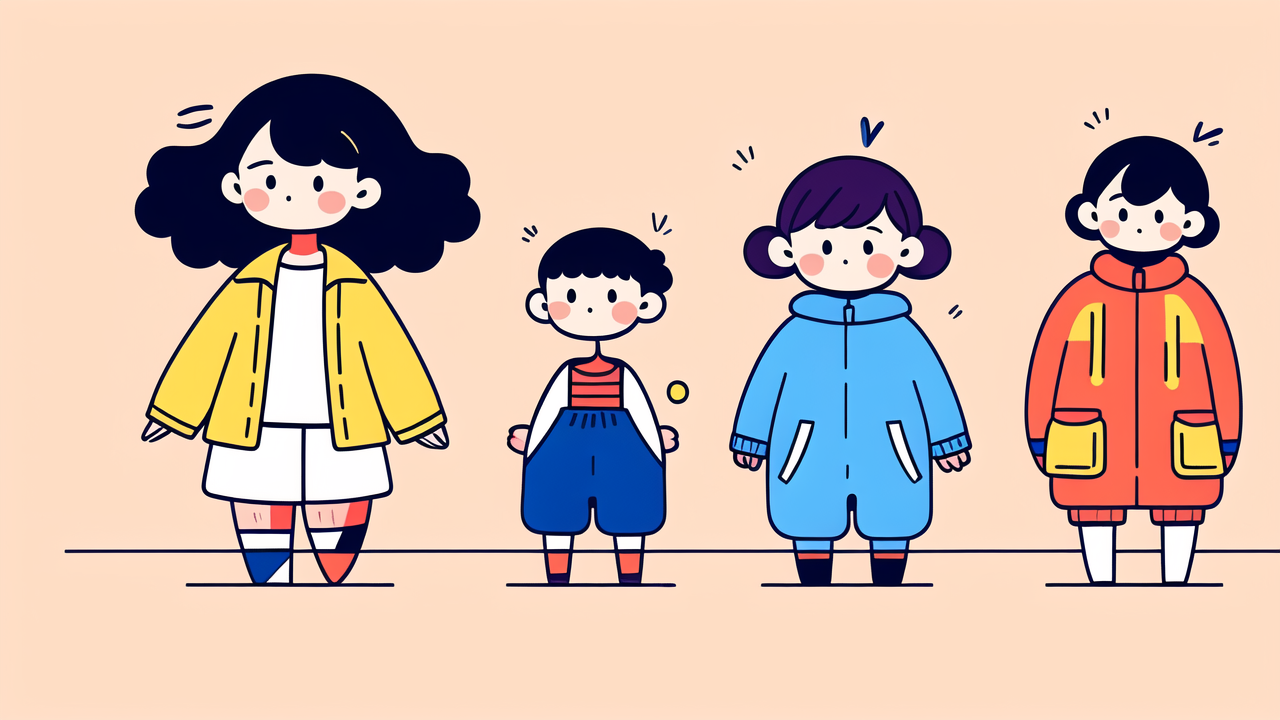
Summer: Keep it cool with breathable fabrics. Choose loose-fitting rompers or shorts sets. Sun hats and light, long-sleeved shirts offer protection outdoors. Look for UPF-rated clothes for extra sun safety.
Fall: Layer up with cozy sweaters and soft pants. Fleece jackets are great for outdoor play. Don't forget warm socks and slip-resistant shoes for new walkers.
Winter: Prioritize warmth with thermal underwear and thick sweaters. Insulated snowsuits are a must for cold climates. Remember mittens, hats, and warm boots for outdoor adventures.
The Ultimate Shopping List for Baby Clothes
- 5-7 bodysuits or onesies
- 3-5 pairs of stretchy pants
- 2-3 comfy rompers
- 3-4 t-shirts
- 2-3 long-sleeved shirts
- 1-2 sweaters or jackets
- 5-7 pairs of socks
- 2-3 pairs of shoes (including soft-soled options for new walkers)
- 2-3 pajama sets
- 1-2 special occasion outfits
- Sun hat and warm hat
- Mittens for cold weather
Remember to adjust quantities based on laundry frequency and climate.
How to Choose the Right Size and Fit for Your Baby
Measure your baby regularly for accurate sizing. Check size charts as brands may vary. Allow room for growth, but avoid overly baggy clothes.
For walkers, ensure pants aren't too long to prevent tripping. Shoes should have a thumb's width of space at the toe. Sleeves shouldn't cover hands for safety and dexterity.
Consider your baby's body shape. Some may need wider waistbands or longer torsos. Adjustable features like snap closures or elastic waists offer flexibility.
Safety and Health: The Basics of Baby Walker Apparel
Ensuring Safety with Every Outfit
Choose flame-resistant sleepwear for bedtime safety. Avoid drawstrings or loose cords that could pose strangulation risks. Opt for snug-fitting pajamas to reduce fire hazards.

Check for sturdy seams and secure buttons to prevent choking. Remove tags or choose tagless options to avoid skin irritation. Ensure zippers have protective flaps to prevent pinching.
For outdoor wear, look for reflective elements for visibility. Choose non-slip soles on shoes and socks for stability. Avoid accessories that could easily come off and become choking hazards.
Health Benefits of Quality Baby Clothes
Quality materials promote skin health. Organic cotton reduces exposure to harmful chemicals. Breathable fabrics prevent overheating and rashes.
Proper fit supports healthy development. Well-fitted shoes aid in proper foot growth. Clothes that don't restrict movement encourage physical activity.
Hypoallergenic fabrics benefit babies with sensitive skin. Moisture-wicking materials keep skin dry, reducing diaper rash. UV-protective clothing helps prevent sunburn during outdoor play.
Tips on Maintaining and Caring for Your Baby's Apparel
Wash new clothes before first use to remove potential irritants. Use gentle, fragrance-free detergents to protect sensitive skin. Avoid fabric softeners, which can reduce flame resistance.
Sort clothes by color and fabric type before washing. Use cold water for most items to prevent shrinkage. Air dry when possible to extend clothing life.
Treat stains promptly with baby-safe stain removers. Store out-of-season clothes in airtight containers. Regularly check for wear and tear, replacing items as needed.
Rotate shoes to allow them to air out between uses. Clean and disinfect shoes regularly, especially for outdoor wear. Donate or pass down outgrown clothes in good condition.